
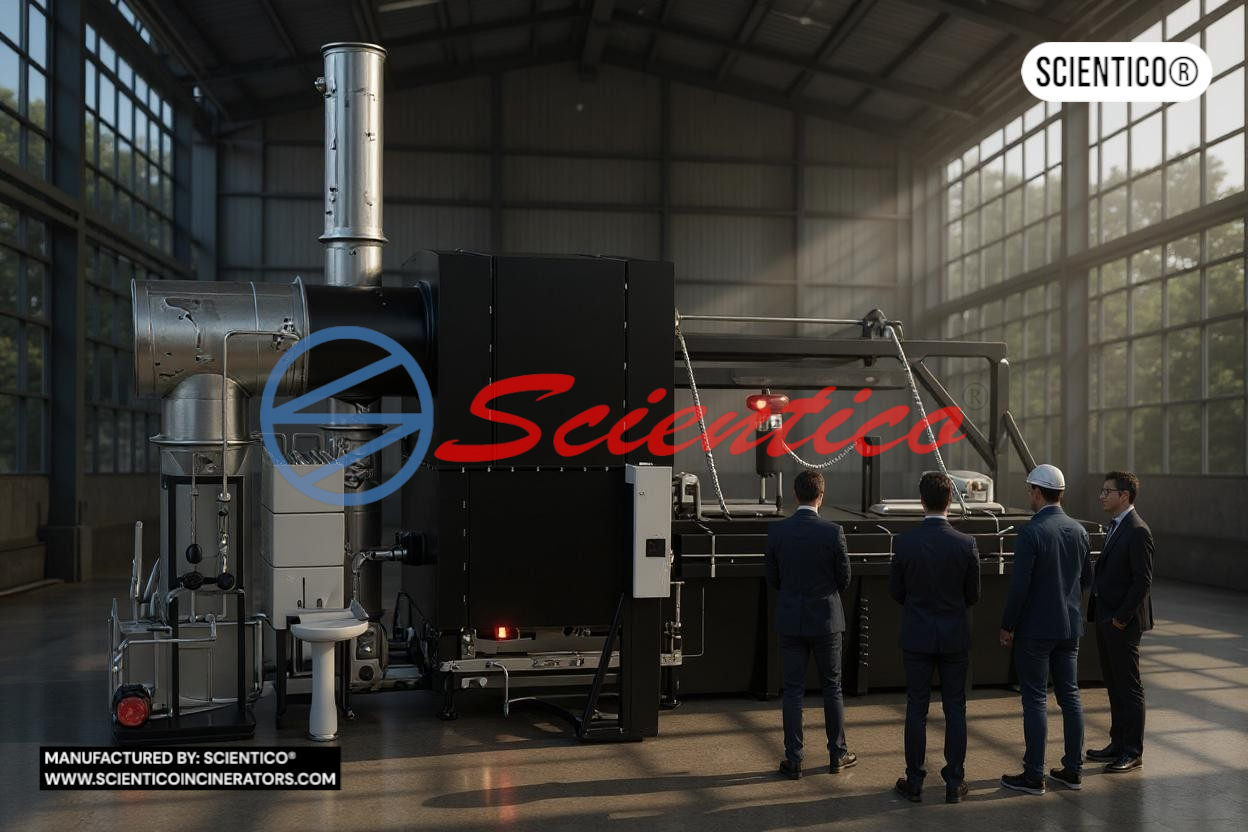
Proper animal waste management is essential to protect the environment, prevent the spread of disease, and maintain hygiene standards in farms, veterinary clinics, research labs, and municipal facilities. One of the most efficient and sustainable methods for safe animal waste disposal is the use of a modern animal incinerator.
What is an Animal Incinerator?
An animal incinerator, also known as an animal cremation system or bio waste incinerator, is a thermal device designed to completely burn animal carcasses, biological waste, and remains at high temperatures. This process reduces the material to sterile ash, effectively eliminating harmful pathogens and odors.
Animal incinerators are widely used across industries such as:
Veterinary hospitals and clinics
Poultry and livestock farms
Research laboratories and universities
Municipal and animal control departments
Meat processing and rendering plants
How Does an Animal Incinerator Work?
The operation involves a multi-stage combustion process:
Primary Chamber – The carcasses are loaded and subjected to high temperatures (usually between 850°C–1100°C), where the organic matter is burned.
Secondary Chamber – The gases produced in the primary chamber are further treated at high temperatures to ensure complete combustion and to minimize emissions.
Emission Control System – Equipped with scrubbers or filters to ensure that the exhaust meets environmental and pollution control standards.
This process results in safe, odorless, and eco-friendly disposal of animal remains, leaving behind minimal ash residue.
Key Features of Modern Animal Incinerators
High Thermal Efficiency: Optimized combustion for faster and complete burning.
Pollution Control System: Complies with CPCB and international emission norms.
Energy-Efficient Design: Minimal fuel consumption through insulated chambers.
Fully Automatic Operation: Programmable logic controls for ease of use.
Robust Construction: Made with refractory-lined steel for long service life.
Benefits of Using an Animal Incinerator
Prevents contamination of soil and groundwater
Reduces disease transmission and odor
Meets biosecurity and waste management regulations
Offers quick and hygienic carcass disposal
Environmentally sustainable alternative to burial or open burning
Applications
| Sector | Application |
|---|---|
| Poultry Farms | Daily disposal of dead birds and poultry waste |
| Veterinary Hospitals | Safe cremation of animal bodies |
| Municipal Bodies | Disposal of stray animal carcasses |
| Research Labs | Elimination of contaminated biological samples |
| Zoos & Animal Shelters | Humane waste disposal practices |
Why Choose SCIENTICO Animal Incinerators
At SCIENTICO, we specialize in designing and manufacturing high-performance animal incineration systems under our advanced series NovaFlare.
Our incinerators are:
ISO 9001:2015 certified
CE marked for export quality
Custom-built for varying load capacities
Designed for minimal maintenance and high durability
With over three decades of experience and exports across Africa, the Middle East, Asia, and the Americas, SCIENTICO provides tailored solutions that ensure efficiency, compliance, and sustainability in animal waste management.
Frequently Asked Questions (FAQ)
Q1. What materials can be incinerated in an animal incinerator?
Animal carcasses, veterinary waste, poultry waste, and biological remains can all be safely incinerated.
Q2. Are SCIENTICO animal incinerators compliant with environmental regulations?
Yes, our incinerators meet both CPCB (India) and international emission standards, ensuring safe operation.
Q3. What are the fuel options available?
Models are available with diesel, LPG, or natural gas burners depending on customer preference.
Q4. Can I get a custom-designed incinerator for my farm or facility?
Absolutely. SCIENTICO offers customized solutions based on capacity, waste type, and available space.